The Experience Starts Before the Door Opens
Hospitality marketing begins long before somebody arrives. It starts the first time they imagine themselves being there.
5 min
read


A restaurant can have brilliant food and terrible photographs. A hotel can have extraordinary interiors and a website that makes them look ordinary. A bar can have a genuinely brilliant atmosphere that somehow becomes beige the moment somebody tries to market it. Hospitality has always been experiential. The interesting part is that much of the decision now happens before the experience itself. Search. Press. Advertising. Photography. The website. The booking journey. Long before the table, room or drink arrives, hospitality marketing has already started shaping expectations.
ATMOSPHERE BEFORE ARRIVAL
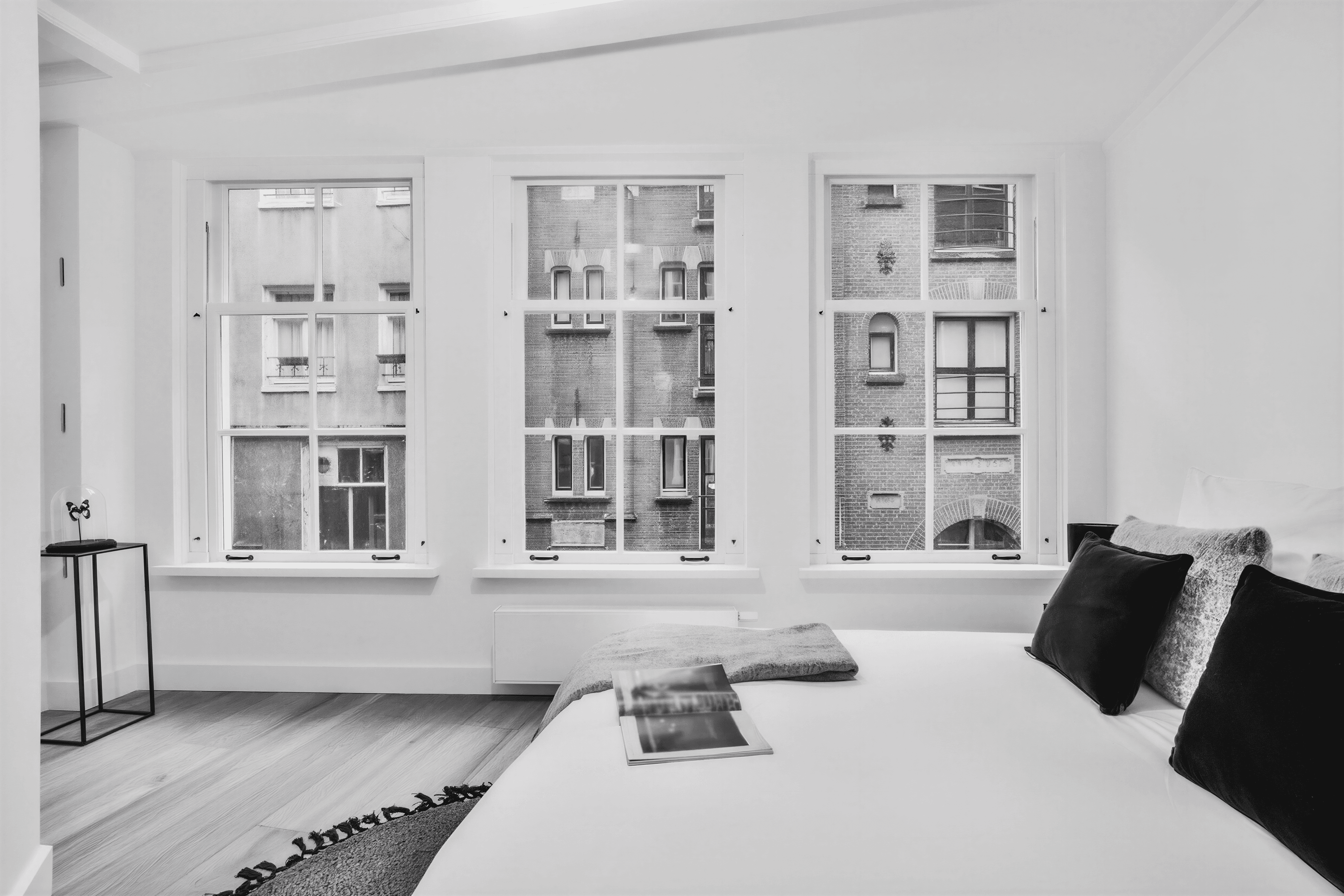
Interior photography matters.
But twenty photographs of perfectly arranged empty chairs do not necessarily communicate atmosphere.
Hospitality is about people.
Movement. Noise. Light. Service. Food arriving. Somebody leaning across a table. The strange energy a room develops when it is working properly.
The best hospitality marketing captures that feeling rather than simply documenting the furniture.
A neighbourhood restaurant should not suddenly sound like an international resort. A late-night venue should probably contain some evidence that nighttime exists.
It sounds obvious.
Yet the sector regularly sanitises the very things that make its venues interesting.
A hospitality brand also needs to understand that its personality changes throughout the day.
A hotel lobby at 9am is different from the same room at 10pm. A restaurant serving lunch has a different rhythm at dinner.
A strong identity creates enough structure to make those shifts feel connected.
Typography, imagery, menus, website design, advertising and campaigns can all change tone while clearly belonging to the same place.

MEMORY IS THE PRODUCT
Hospitality naturally generates content, which makes it easy to confuse marketing with posting.
They are not the same thing.
Hospitality marketing also includes advertising, PR, search, partnerships, photography, brand, email, website experience and the booking journey.
Someone might discover a restaurant through an article, search the name, encounter an advertisement and book through the website without ever following the venue anywhere.
Every touchpoint matters.
Particularly the final ones.
Once someone has decided they want to visit, the booking experience should not become an endurance test.
There are thousands of places to eat, drink and stay.
Most are perfectly competent.
Competence is not the interesting benchmark.
Memory is.
The places people talk about have usually created something specific enough to describe.
Maybe it is the service. The room. The soundtrack. The menu. The crowd. The view. The attitude.
Marketing cannot manufacture that forever if the underlying experience is weak.
But when something genuinely special exists, great hospitality marketing can sharpen it, package it and make it travel.
Not making everywhere look desirable.
Making the right place impossible to confuse with anywhere else.
Got a venue people need to experience rather than simply scroll past? i313 creates hospitality marketing across campaigns, PR, advertising, branding, design and websites.
PUT IT ON THE MAP →